Featured Studies

Office of Patient Recruitment

This web page makes it easy to search for featured research studies at the NIH Clinical Center. You can search for specific studies by entering keywords related to your symptoms in the search box or by using the sort and filter options.


To view a full list of all studies conducted at the NIH Clinical Center, visit Search the Studies.

Filter By

Visit Type

Patient or Healthy Volunteer

Age Group

Web Page Language

138 results
The Role of Anifrolumab in Improving Markers of Vascular Risk in Patients with Systemic Lupus Erythematosus

The Role of Anifrolumab in Improving Markers of Vascular Risk in Patients with Systemic Lupus Erythematosus

People with systemic lupus erythematosus (SLE) are at risk of developing complications in their blood vessels. The risks increase for heart attacks or stroke. No medications have been effective at reducing this risk in people with lupus. Researchers at NIH are testing whether a drug (anifrolumab) can improve blood vessel function and reduce blood vessel inflammation in people with (SLE). Participants do not pay for tests, treatments, or procedures.
Learn More
An Observational Study of the Developing Brain, Impulsivity and Compulsivity

An Observational Study of the Developing Brain, Impulsivity and Compulsivity

Do you... Find yourself constantly checking things? Spend lots of time ordering your belongings? Have unusual rituals or habits that seem unnecessary? Do you blurt out comments at inappropriate times, interrupt conversations or speak out of turn or feel you are overly impulsive? The National Human Genome Research Institute (NHGRI) is conducting an outpatient research study on the links between compulsivity, impulsivity and the developing brain in children and young adults.
Learn More
Clinical Evaluation of Pediatric and Adults with Myelodysplastic Syndromes (MDS)

Clinical Evaluation of Pediatric and Adults with Myelodysplastic Syndromes (MDS)

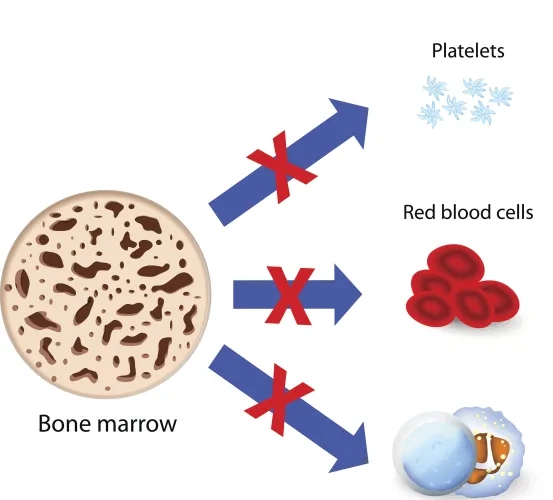
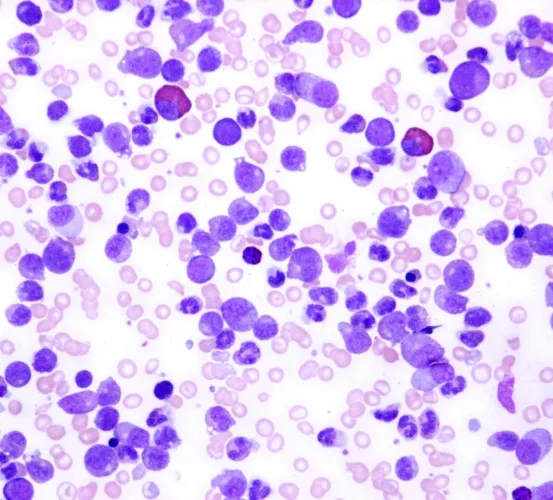
Myelodysplastic syndromes (MDS) are disorders caused by abnormal blood cell production, potentially leading to low cell counts and increased susceptibility to clotting and infections. Past research suggests that inflammation may trigger these abnormalities, and this study seeks to further understand and improve treatment strategies for MDS by investigating the role of inflammation in bone marrow cell development.

Learn More
A Phase 1 Randomized, Double-Blind, Placebo-Controlled, Single-Ascending Dose Study to Evaluate the Safety, Tolerability and Pharmacokinetics of Intravenous ZMA001 in Healthy Subjects

A Phase 1 Randomized, Double-Blind, Placebo-Controlled, Single-Ascending Dose Study to Evaluate the Safety, Tolerability and Pharmacokinetics of Intravenous ZMA001 in Healthy Subjects

Healthy volunteers 18-60 years old are needed to test an investigational drug that was developed to reduce blood pressure in the lungs. The PAH team from @NHLBI hope that this investigational study drug may be helpful in treating patients with PAH in the future.
Learn More
Natural History Study of CADASIL

Natural History Study of CADASIL

Researchers are examining genetic and physical characteristics of the small vessel disease called CADASIL (cerebral autosomal dominant arteriopathy with subcortical infarct and leukoencephalopathy). They are enrolling volunteers to serve as healthy controls. Compensation is provided.
Learn More
An assortment of healthy foods, including fresh vegetables, eggs, and salmon

Investigational Dietary Supplements and Keto Sleep Calories

Dr. Stephanie Chung and her team at the National Institute of Diabetes and Digestive and Kidney Diseases (NIDDK) are seeking male volunteers aged 18-65 for a study on the impact of low-carb (ketogenic) diets, with or without an investigational dietary supplement called nicotinamide riboside, on energy levels and metabolism during sleep.

Learn More
Dietary Behavior Intervention

Dietary Behavior Intervention

The risk of heart disease among African Americans is still common despite a greater understanding of the disease and better approaches to managing it. Healthy cooking and eating patterns can help reduce the risk of heart disease. But things like access to grocery stores and knowledge of good nutrition can affect these healthy patterns. Researchers at The National Institutes of Health want to see if community-based programs can help.
Learn More
Was this page helpful?