



135 results

Low-Dose Danazol for the Treatment of Telomere Related Diseases
Researchers at the National Institutes of Health (NIH) are studying if the medication danazol can be used to treat people with short telomere disease who also have bone marrow failure, liver, or lung disease. In recent studies, danazol, at high doses, showed a positive influence on telomere length. Additional research is needed to learn more about the role of different doses of danazol on telomere disease as well as its effects on secondary diseases.

Investigation of the Natural Progression of Clonal Hematopoiesis of Indeterminate Potential and Clonal Cytopenia of Undetermined Significance
Doctors at the National Institutes of Health (NIH) are conducting a study on patients with clonal hematopoiesis of indeterminate potential (CHIP). Patients with CHIP have a genetic mutation that has been associated with blood cancer. The study will look at CHIP and try to determine its relationship to blood cancers and heart disease. The study will also try to discover other new organs or diseases that may be linked with.
Learn More

An Open-Label, Proof of Concept Study of Vorinostat for the Treatment of Moderate-to-Severe Crohn s Disease and Maintenance Therapy with Ustekinumab
Crohn's disease is a chronic bowel illness that is a lifelong condition characterized by relapsing inflammation. Although there is no cure for Crohn's disease, researchers at the National Institutes of Health (NIH) are investigating if Vorinostat is safe for people with Crohn's Disease. Participants will receive maintenance therapy with Stelara® after successful treatment with Vorinostat.
Learn More

Men at High Genetic Risk for Prostate Cancer
Join a National Institutes of Health (NIH) research study seeking mean men who have a genetic risk factor for developing prostate cancer. Researchers want to follow the prostate health of men who have specific genetic changes associated with prostate cancer to help them learn more about which men are at higher risk for prostate cancer.
Learn More

Pilot Study for Geospatial Analysis of Neighborhood Environmental Stress in Relation to Biological Markers of Cardiovascular Health and Health Behaviors in Women
Does your pace of life in the city affect your health? Researchers at the National Institutes of Health (NIH) are conducting a study of two neighborhoods in Washington, D.C. in relationship to the environmental stress and the health behaviors of White and African American women. This research study will work to determine if there is a significant connection between neighborhood environment and the impact in women's health.
Learn More

Tailoring Mobile Health Technology to Reduce Obesity and Improve Cardiovascular Health in Resource-Limited Neighborhood Environments
African-American women, ages 25-75, who are obese or overweight and pre-diabetic, are needed to participate in a research study at the National Institutes of Health (NIH) Clinical Center in Bethesda, Maryland. Researchers want to explore if the use of mobile technology and coaching can help increase physical activity.
Learn More
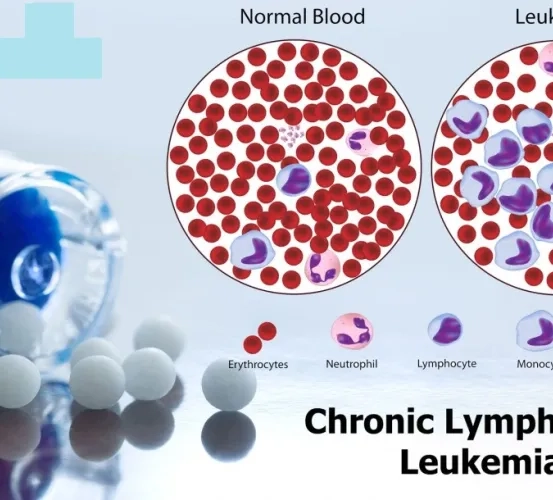
Early Clonal Dynamics During Venetoclax Treatment for Chronic Lymphocytic Leukemia (CLL)
The research study sets out to learn about changes in the genetic makeup of CLL during the early phase of treatment with venetoclax. The initial phase of venetoclax therapy can be medically and logistically challenging. Patients will receive expert medical care at the National Institutes of Health (NIH).
Learn More