




Evaluating the Genetics and Immunology of Periodic Fever, Aphthous Stomatitis, Pharyngitis, and Cervical Adenitis (PFAPA) Syndrome and Other Tonsil Disorders
Do you or your child experience recurring fever with mouth sores (canker sores), sore throat, or swollen neck glands? These could be symptoms of PFAPA, the most common periodic fever syndrome in children.
Dr. Manthiram and her team at the National Institute of Allergy and Infectious Diseases (NIAID) seek volunteers who are one month and older (parental consent required for minors) to participate in a research study to better understand PFAPA. Compensation provided. Participants can join from home anywhere in the USA or internationally.

The Use of 124-I-PET/CT Whole Body and Lesional Dosimetry in Differentiated Thyroid Cancer
Researchers at @NIDDKgov are studying new methods in treating thyroid cancer that has spread outside the thyroid – to the lymph nodes, lungs, or bones We are now enrolling patients age 18 years and older with thyroid cancer that spread outside the thyroid. All study tests and procedures are provided at no cost.

The Role of 68-Gallium-DOTATATE-PET/CT in the Imaging of Metastatic Thyroid Cancer
Did you know your thyroid gland produces hormones that regulate body temperature, heart rate and metabolism? Physicians want to explore a better method to detect thyroid tumors by using a compound called 68Gallium-DOTATATE. This compound may bind to a tumor and make it visible during a PET/CT scan. This information will help guide future research and treatment.

Observational Study to Deeply Phenotype Major Organs in Sickle Cell Disease After Curative Therapies

Evaluation for NCI Surgery Branch Clinical Research Protocols
Doctors at the National Cancer Institute (NCI) are looking for volunteers with metastatic cancers, including breast, ovarian, endometrial, gastrointestinal, genitourinary, hepatobiliary, pancreatic, melanoma, non-small cell lung cancer (NSCLC), and multiple myeloma with solid masses. Potential participants will be evaluated with new immunotherapy treatments utilizing cell transfer immunotherapies in a research trial.
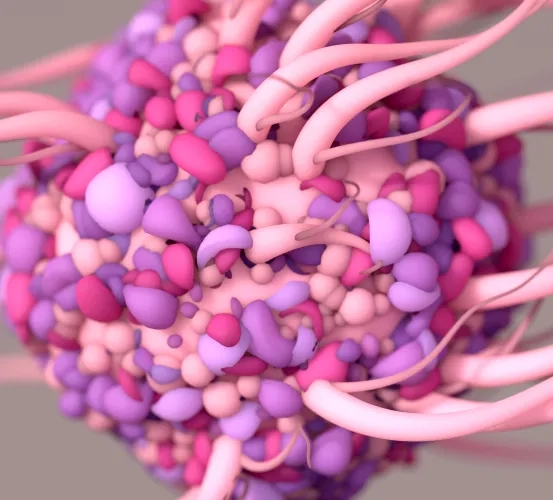
CAR-T Cell Treatment for Patients with Glypican-3 (GPC3) Positive HCC (A Type of Liver Cancer)

Treatment of Patients With Cysticercosis With Praziquantel or Albendazole
Are you from Mexico, Central or South America, or India with hydrocephalus, seizures, or an inflammatory condition of the central nervous system without a diagnosis? The National Institutes of Health (NIH) is studying people with cysticercosis and those likely to have cysticercosis. All study related tests and procedures are provided at no cost to you. Travel to and from NIH may be reimbursed.
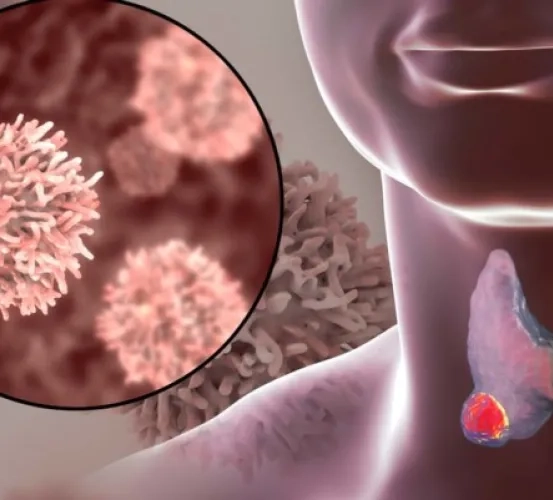
Studies on Tumors of the Thyroid

Investigation of the Natural Progression of Clonal Hematopoiesis of Indeterminate Potential and Clonal Cytopenia of Undetermined Significance

Role of Genetic Factors in the Development of Lung Disease
Cystic fibrosis (CF) is a progressive, genetic disease that causes persistent lung infections and over time limits the ability of individuals to breathe. Researchers at the National Institutes of Health (NIH) are studying the infection, disease progression, and abnormal genes responsible for cystic fibrosis to better understand the disease process and its effects on breathing.