



148 results

Tailoring Mobile Health Technology to Reduce Obesity and Improve Cardiovascular Health in Resource-Limited Neighborhood Environments
African-American women, ages 25-75, who are obese or overweight and pre-diabetic, are needed to participate in a research study at the National Institutes of Health (NIH) Clinical Center in Bethesda, Maryland. Researchers want to explore if the use of mobile technology and coaching can help increase physical activity.
Learn More

Pilot Study for Geospatial Analysis of Neighborhood Environmental Stress in Relation to Biological Markers of Cardiovascular Health and Health Behaviors in Women
Does your pace of life in the city affect your health? Researchers at the National Institutes of Health (NIH) are conducting a study of two neighborhoods in Washington, D.C. in relationship to the environmental stress and the health behaviors of White and African American women. This research study will work to determine if there is a significant connection between neighborhood environment and the impact in women's health.
Learn More
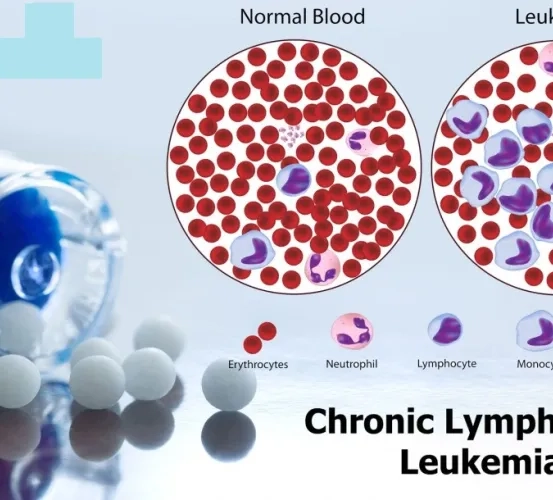
Early Clonal Dynamics During Venetoclax Treatment for Chronic Lymphocytic Leukemia (CLL)
The research study sets out to learn about changes in the genetic makeup of CLL during the early phase of treatment with venetoclax. The initial phase of venetoclax therapy can be medically and logistically challenging. Patients will receive expert medical care at the National Institutes of Health (NIH).
Learn More

An Open-Label, Proof of Concept Study of Vorinostat for the Treatment of Moderate-to-Severe Crohn s Disease and Maintenance Therapy with Ustekinumab
Crohn's disease is a chronic bowel illness that is a lifelong condition characterized by relapsing inflammation. Although there is no cure for Crohn's disease, researchers at the National Institutes of Health (NIH) are investigating if Vorinostat is safe for people with Crohn's Disease. Participants will receive maintenance therapy with Stelara® after successful treatment with Vorinostat.
Learn More

Non-Alcoholic Fatty Liver Disease, the Hepatic Response to Oral Glucose, and the Effect of Semaglutide (NAFLD HEROES) (En español)
Are you looking for a treatment for non-alcoholic fatty liver disease (NAFLD) or non-alcoholic steatohepatitis (NASH)? Researchers at the National Institutes of Health (NIH) seek volunteers to participate in a research study. For 30 weeks, participants will receive a medication called semaglutide (typically used for Type 2 diabetes), aiming to improve their liver disease and help them lose weight. The study hopes to better understand liver damage and its treatment in people with these conditions. (En español)
Learn More
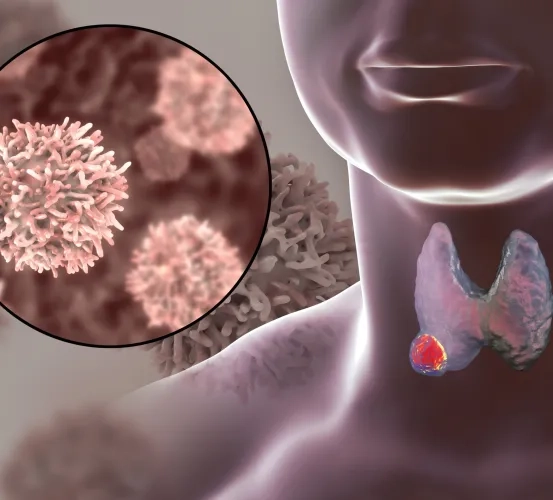
The Use of 124-I-PET/CT Whole Body and Lesional Dosimetry in Differentiated Thyroid Cancer
Doctors at the National Institutes of Health (NIH) seek patients with thyroid cancer that spread outside the thyroid - to the lymph nodes, lungs or bones. The standard treatment in such situation is therapy with radioactive iodine (RAI). In this study, doctors will assess a new imaging tool - 124I PET/CT, which enables evaluation of how much iodine goes into the tumor. The study goal is to compare how much iodine goes into cancer cells after two different methods of stimulation of RAI uptake.
Learn More