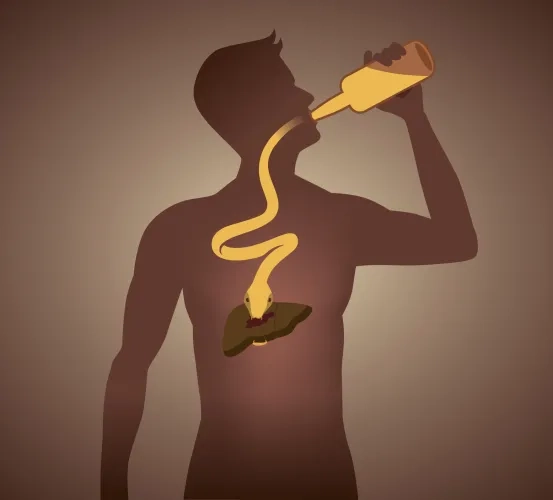
Neural and Psychological Mechanisms of Pain Perception (No MRI)
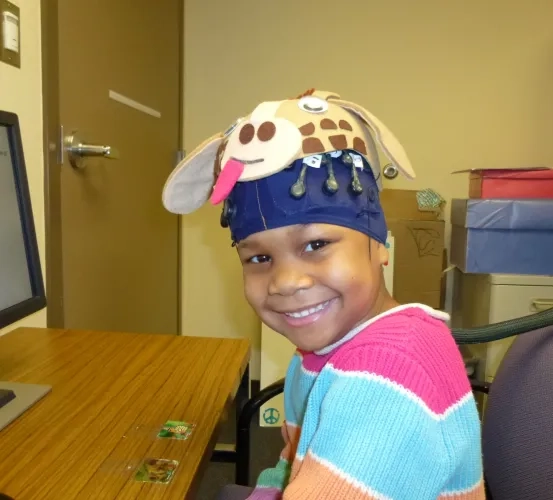
Cerebral Palsy and the Study of Brain Activity During Motor Tasks
Researchers at the National Institutes of Health (NIH) seek participants age five and older with childhood-onset brain injury (e.g.,cerebral palsy) to join a research study. Near-infrared spectroscopy (NIRS) and/or electroencephalography (EEG) may be used to study brain activity. Learning how the brain controls muscles may help design treatments to help patients with brain injury to move better.

A Longitudinal Investigation of the Endocrine and Neurobiologic Events Accompanying Puberty

Urinary Vitamin C Loss in Diabetic Subjects
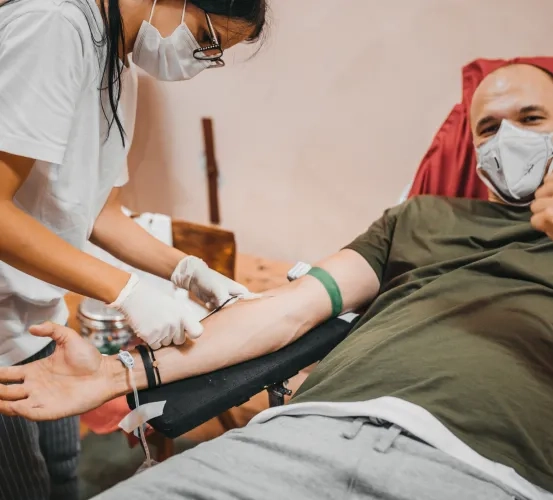
Collection of Blood, Bone Marrow, and Buccal Mucosa Samples from Healthy Volunteers

Clinical and Genetic Studies in Familial Non-medullary Thyroid Cancer
Thyroid cancer accounts for the vast majority of all types of cancer and little is known about the possible genes that may cause the cancer. An estimated 5% of all thyroid cancers are hereditary. If three or more first-degree relatives are affected, there is a greater than 94% chance that these cases are familial non-medullary thyroid cancer (FNMTC). Researchers at the National Institutes of Health (NIH) are conducting a research study to develop the best ways to evaluate, determine best screening strategy, and identify genes that may indicate vulnerability to FNMTC.

The NIH Lyme Disease Studies Unit is looking for healthy volunteers
Each year, the number of cases of tick-borne diseases increases. Researchers at the National Institutes of Health (NIH) Lyme Disease Studies Unit is looking for healthy volunteers to participate in a research study to learn more about how the human immune system responds to tick bites.