



147 results

Tailoring Mobile Health Technology to Reduce Obesity and Improve Cardiovascular Health in Resource-Limited Neighborhood Environments
African-American women, ages 25-75, who are obese or overweight and pre-diabetic, are needed to participate in a research study at the National Institutes of Health (NIH) Clinical Center in Bethesda, Maryland. Researchers want to explore if the use of mobile technology and coaching can help increase physical activity.
Learn More
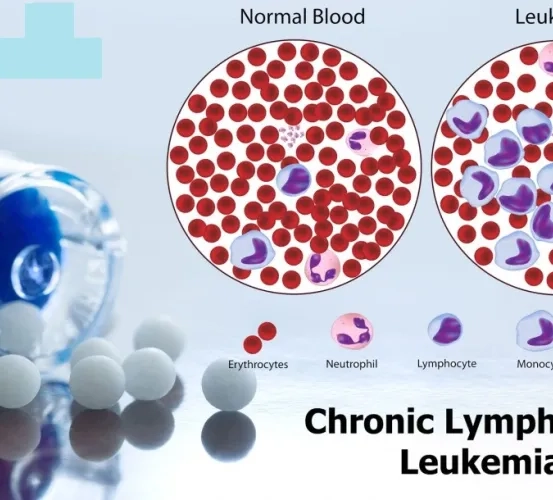
Early Clonal Dynamics During Venetoclax Treatment for Chronic Lymphocytic Leukemia (CLL)
The research study sets out to learn about changes in the genetic makeup of CLL during the early phase of treatment with venetoclax. The initial phase of venetoclax therapy can be medically and logistically challenging. Patients will receive expert medical care at the National Institutes of Health (NIH).
Learn More

Non-Alcoholic Fatty Liver Disease, the Hepatic Response to Oral Glucose, and the Effect of Semaglutide (NAFLD HEROES) (En español)
Are you looking for a treatment for non-alcoholic fatty liver disease (NAFLD) or non-alcoholic steatohepatitis (NASH)? Researchers at the National Institutes of Health (NIH) seek volunteers to participate in a research study. For 30 weeks, participants will receive a medication called semaglutide (typically used for Type 2 diabetes), aiming to improve their liver disease and help them lose weight. The study hopes to better understand liver damage and its treatment in people with these conditions. (En español)
Learn More

The Physiological Responses and Adaptation of Brown Adipose Tissue to Chronic Treatment with Beta-3-Adrenergic Receptor Agonists
Women diagnosed with polycystic ovary syndrome (PCOS) needed for a research study at the National Institutes of Health (NIH). Researchers want to learn more about how a medication may be used to help your body's insulin work better and if this can improve your overall metabolic health.
Learn More
The Pathological Basis of MRI Signal Changes in Multiple Sclerosis: A Longitudinal In Vivo-to-Postmortem Stud
Multiple sclerosis (MS) is a disease that damages the central nervous system (brain and spinal cord). This leads to increased physical disability over time. The disease is lifelong once it begins. Researchers want to learn more about the stages of multiple sclerosis and follow them until a person's death to understand how the physical and clinical signs of MS relate to its changes over time.
Learn More