



135 results
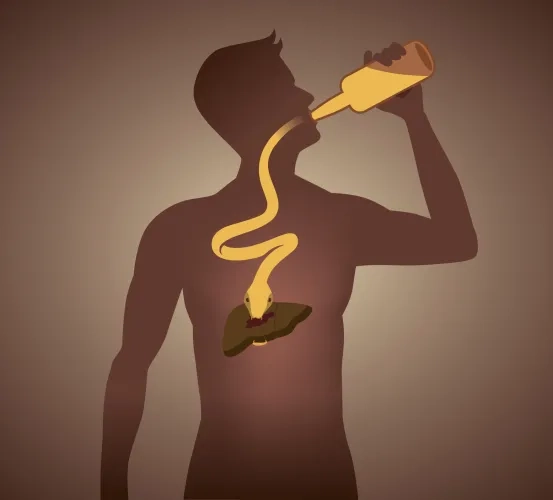
Are You Drinking Too Much? Join NIH Research!
The National Institutes on Alcohol Abuse and Alcoholism (NIAAA) is recruiting heavy drinkers for a study to evaluate the safety of an investigational drug to treat signs and symptoms of alcohol associated liver damage. If you drink more than 20 alcoholic beverages per week, you may have this type of liver damage.
Learn More

NIH Research of Multiple Sclerosis and Related Conditions
The National Institutes of Health (NIH) is conducting a research study of the causes and responses to treating multiple sclerosis (MS) and other brain and spine inflammatory conditions. Join this study if you have MS or a related disease. Although the study does not offer treatment options, your participation may help in future discoveries and inspire hope.
Learn More
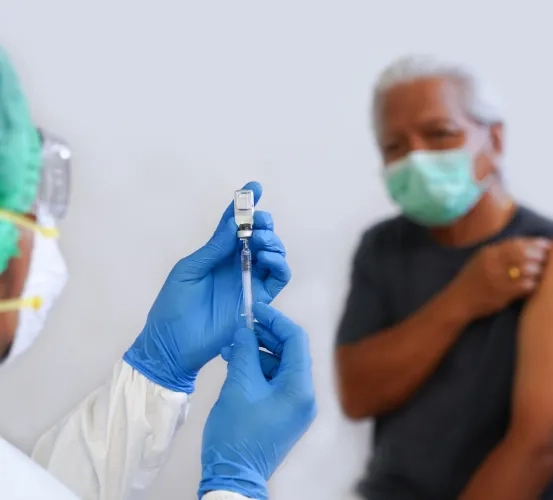
Vaccine Responses in Patients with B Cell Malignancies
Research Study 000444-H investigating how well the following vaccines work in patients with CLL/SLL malignancies: SHINGRIX and influenza vaccine. If you are currently receiving treatment for your CLL/SLL (e.g. ibrutinib, acalabrutinib or venetoclax), you may be able to participate.
Learn More
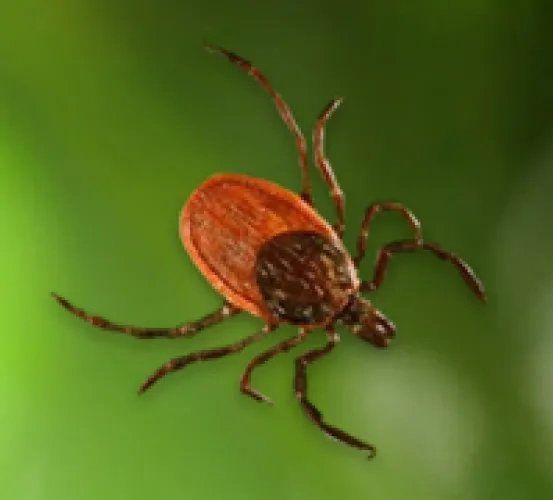
Join the Fight Against Lyme Disease!
We are looking for people recently diagnosed with Lyme disease to help us answer important questions about the infection. If you have or had the rash associated with acute Lyme disease (erythema migrans), facial palsy, meningitis, heart block, or arthritis; please consider participating in our study.

Do you or someone you know want to participate in a clinical research study?
Researchers at the National Institutes of Health (NIH) seek healthy volunteers to provide blood samples for research studies of blood vessels and immune diseases that cause clotting. In this study, investigators want to understand the basis of these diseases to facilitate the development of better treatments.
Learn More

A Study of Anti-Cancer Drug Abemaciclib on Brain Tumors
Researchers want to see if they can measure the amount of anti-cancer drug, Abemaciclib in a brain tumor and brain fluid after a patient has taken this drug for a few days. These findings can help explain how much drug gets into the brain and how drugs work to shrink high grade gliomas to improve outcomes for these patients.
Learn More
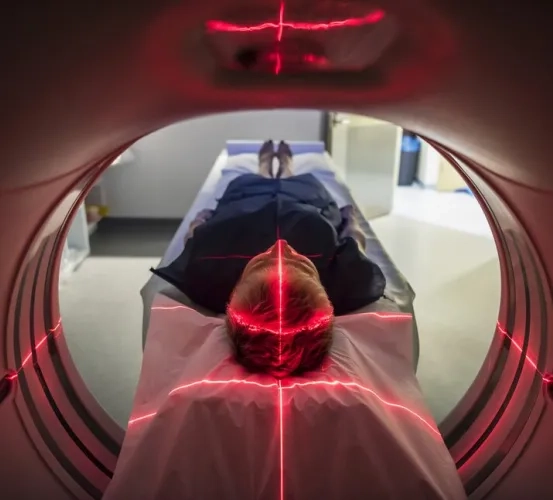
Characterization of Brain Morphology and Activity Using Functional and Anatomical MRI Contrast
Research study #00-N-0082 aims to develop improved MRI techniques for studying brain function. Information obtained will be used to develop better imaging methods that will, in turn, permit a greater understanding of normal and abnormal brain behaviors.
Learn More