



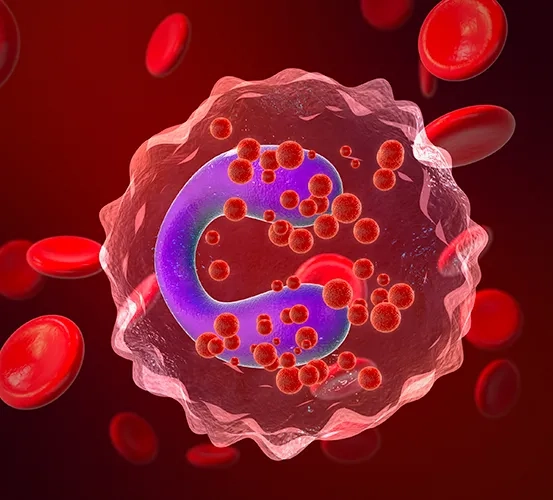
NIH Research Study for Adults With Hypereosinophilic Syndrome
Hypereosinophilic syndrome (HES) is a blood disorder that causes high levels of eosinophils, which can damage organs such as the lungs, intestines, and skin. National Institutes of Health (NIH) researchers are studying whether the FDA-approved drug dupilumab can improve HES symptoms in people whose current treatment isn't working well enough.
NIH Vaccinology and Immunology Center: MOSAIC Study
NIH is developing a research study to better understand serious health problems reported after vaccination. The center will operate through research enrollment and scheduled study visits that will take place in Bethesda, MD. It will not accept walk-in patients or offer routine appointments to the general public.

Seeking Adults and Children With MDS or MDS/MPN
Dr. El Jurdi and her team at the National Institutes of Health (NIH) are seeking adults and children aged 12 and older with myelodysplastic syndrome (MDS) or myelodysplastic/myeloproliferative neoplasm (MDS/MPN) for a clinical research study. This clinical research study is evaluating the safety and effectiveness of an investigational drug, pacritinib. Parental consent is required for minors.
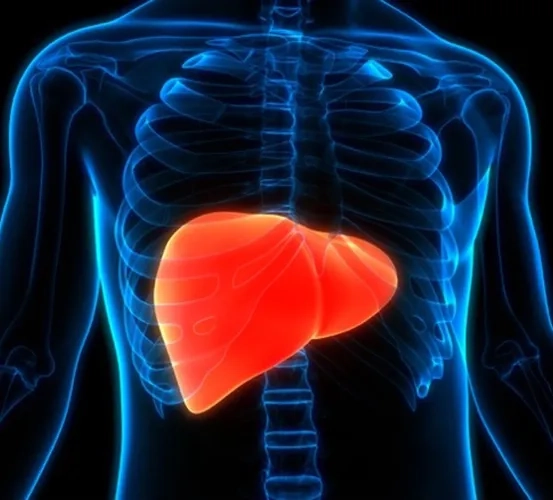
A Randomized, Double-Blind, Placebo-Controlled, Flexible Dose Phase 2 Study of Efficacy and Safety of Tirzepatide in Individuals with Alcohol Use Disorder and Metabolic Alcohol-associated Liver Disease
The National Institutes of Health (NIH) is conducting a research study to explore whether an investigational GLP1 medication called Tirzepatide can help people improve liver health. This study focuses on individuals who are overweight and drink alcohol regularly.

Imaging and Biopsy of People with HIV-1 Undergoing Analytic Treatment Interruption
The National Institutes of Health is enrolling adults living with HIV who are on stable antiretroviral therapy (ART) for a clinical research study led by Chuen-Yen Lau, M.D.

A Phase 1 Study to Evaluate the Safety and Tolerability of Escalating Doses of VAS-101 in Subjects with Stable Sickle Cell Disease
NIH researchers are seeking adults aged 18 and older with sickle cell disease for a research study evaluating VAS-101 gel, an investigational product containing curcumin, to determine whether it is safe and well-tolerated.

Safety of Tofacitinib, an Oral Janus Kinase Inhibitor, in Primary Sjögren's Disease Phase IIa Open-Label Clinical Trial and Associated Mechanistic Studies
Dr. Blake Warner and a group of NIH researchers are testing tofacitinib, an investigational oral medication, to help better understand and treat Sjögren's symptoms. Tofacitinib is already approved by the United States Food and Drug Administration (FDA) for other autoimmune conditions and is being used investigationally in this research study.

Observational Study of Dietary Intake and Dietary Behaviors in Adults with Sickle Cell Disease
Are you living with sickle cell disease (SCD)? You may wonder how diet and nutrition affect your overall health and well-being. Researchers at the National Institutes of Health (NIH) are conducting a study to investigate how diet and nutrition impact the physical and mental health of adults with SCD.

Role of GABAergic Transmission in Auditory Processing in Autism Spectrum Disorder
Researchers are studying the brain's response to language and sound. This study uses a repetitive transcranial magnetic stimulation (rTMS), an investigational form of brain stimulation, to measure how different parts of the brain communicate in teens with autism spectrum disorder (ASD). Findings from this study may aid in the development of possible future treatments.

A Feasibility Multicenter Phase I Study of Therapeutic Drug Monitoring-Based Atezolizumab Dosing
Researchers are enrolling people with locally advanced or metastatic cancer who are prescribed atezolizumab (alone or with other approved treatments). The study will monitor blood levels to adjust infusion schedules, aiming to see if lower or less frequent doses can be given without reducing effectiveness, over a period of up to 2 years.